The choice between disposable and washable incontinence bed pads comes down to cost, convenience, comfort, and environmental impact, each option has clear advantages depending on your specific needs.
When evaluating disposable vs washable bed pads, most UK buyers are trying to balance hygiene, affordability, and long-term practicality. The decision is not just about price, it directly impacts caregiving workload, skin health, and environmental footprint.
This guide breaks down the real-world differences in disposable vs washable bed pads, helping you understand performance, cost, and suitability for home or medical use. Whether you are looking for the best incontinence bed pads for adults or exploring eco-friendly incontinence solutions, this comparison gives you a clear, evidence-based answer.
Quick Answer
- Disposable vs washable bed pads depends on usage frequency, budget, and care setting
- Disposable pads suit short-term, hospital, or travel needs
- Washable pads are more economical and sustainable long-term
- Reusable pads offer better skin comfort and breathability
- Many UK households combine both for flexibility
What Are Incontinence Bed Pads?
Incontinence bed pads are absorbent protective layers placed on beds, chairs, or wheelchairs to manage leaks and maintain hygiene.
They are widely used in hospitals, elderly care, and home environments where bladder control support is required.
Understanding disposable vs washable bed pads is essential before selecting the right product type for daily care needs.
Disposable vs Washable Bed Pads: Core Differences
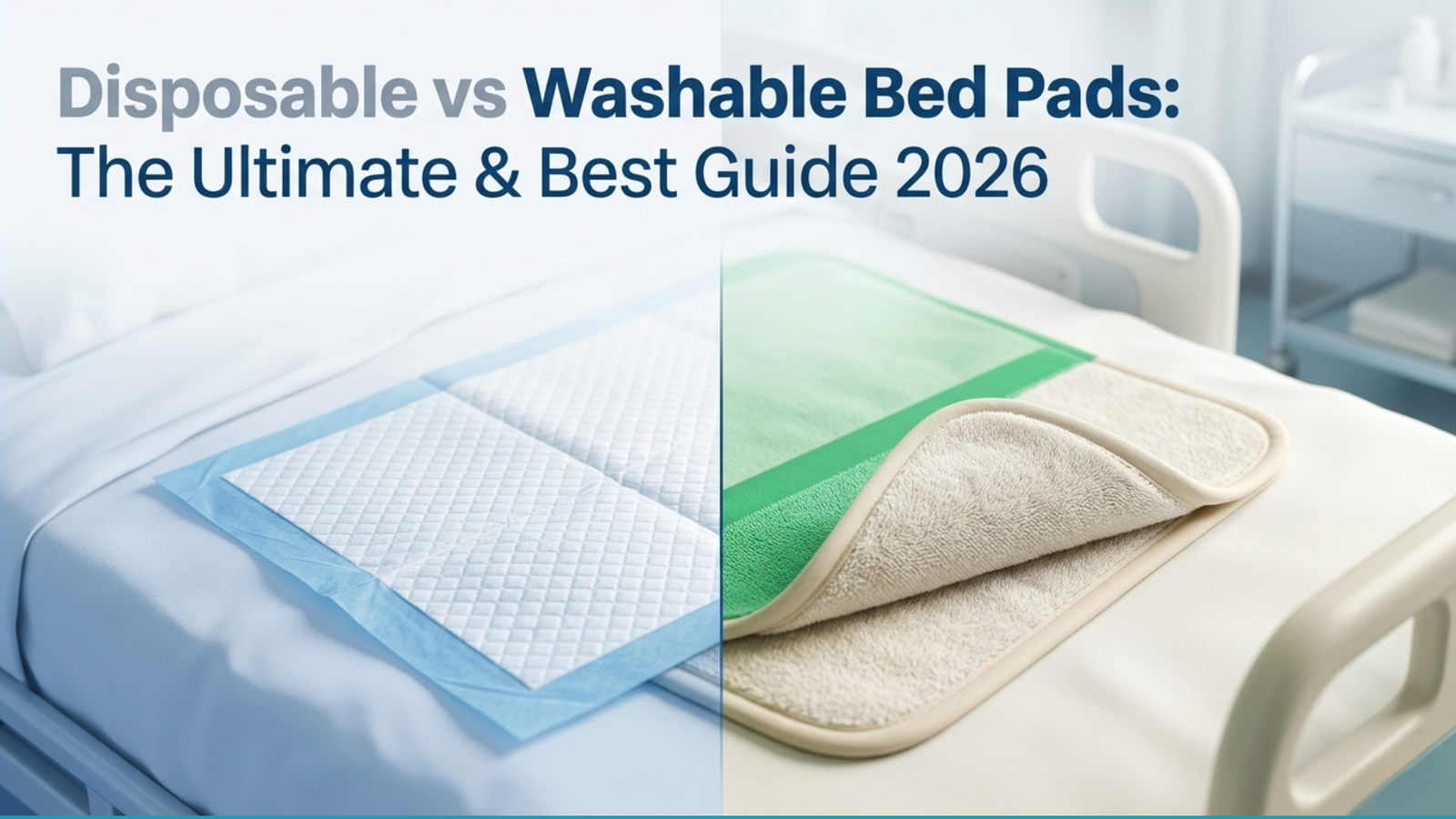
The comparison of disposable vs washable bed pads is mainly based on cost, hygiene, and convenience.
| Feature | Disposable Bed Pads | Washable Bed Pads |
|---|---|---|
| Usage | Single-use | Reusable (100+ washes) |
| Cost | Higher long-term | Lower long-term |
| Maintenance | None | Requires washing |
| Comfort | Moderate | High |
| Environmental Impact | High waste | Eco-friendly |
This table highlights why disposable vs washable bed pads is a key decision in continence care planning.
Advantages of Disposable Bed Pads
Disposable products are commonly used in clinical environments due to their convenience.
Key Benefits
- No cleaning required
- High hygiene for infection control
- Ideal for emergencies and travel
- Easy disposal after use
When comparing disposable vs washable bed pads, disposable options are best suited for short-term or high-turnover care situations.
Benefits of Washable Incontinence Bed Pads
Washable pads are increasingly preferred in UK households due to long-term savings and sustainability.
Key Benefits
- Cost-effective over time
- Reduced environmental waste
- Soft, breathable materials
- Designed for repeated use
Many caregivers choose reusable vs disposable bed pads for elderly home care due to comfort and durability.
For home users, explore incontinence bed pads (60x90cm) for reliable everyday protection.
Cost Comparison: Disposable vs Washable Bed Pads (UK Market)
Cost is a major factor in the disposable vs washable bed pads decision.
| Type | Monthly Cost | Long-Term Cost |
|---|---|---|
| Disposable | £20–£90+ | High recurring expense |
| Washable | £10–£20 (amortized) | Low ongoing cost |
Over time, disposable vs washable bed pads clearly shows washable pads are significantly more economical.
Comfort & Skin Health Considerations
Skin comfort is critical in long-term care.
Disposable Pads
- Can trap heat
- May feel plastic-like
- Less breathable
Washable Pads
- Soft textile surface
- Better airflow
- Reduced irritation risk
For elderly users, waterproof bed pads for elderly provide essential protection with improved comfort.
Environmental Impact: UK Sustainability Perspective
The environmental difference in disposable vs washable bed pads is significant.
- Disposable pads contribute to landfill waste
- Washable pads replace hundreds of single-use items
- Lower carbon footprint over time
According to the WRAP UK waste reduction initiatives, reducing single-use hygiene waste is a key sustainability goal.
This strongly supports eco-friendly incontinence solutions in modern care systems.
Hospital Bed Pads vs Home Use Pads
The usage environment strongly affects the disposable vs washable bed pads choice.
Hospital Settings
- Disposable preferred for infection control
- High-frequency replacement required
Home Care Settings
- Washable preferred for comfort and cost
- Long-term usability matters more
For home care solutions, explore the incontinence shop for tailored options.
Clinical standards align with guidance from the NHS continence care guidance.
How to Choose the Best Incontinence Bed Pads for Adults
When comparing disposable vs washable bed pads, consider:
- Frequency of use
- Care environment
- Budget limitations
- Skin sensitivity
- Environmental priorities
A hybrid system often works best in real-world caregiving.
Considerations for UK Households
In the UK, disposable vs washable bed pads decisions are influenced by:
- Damp climate affecting drying time
- Energy costs for washing
- NHS support availability in some cases
- Bulk buying disposable savings
For high-use households, incontinence bed pads (60x60cm) is a practical choice.
Best Practices for Bed Pad Usage
Disposable Pads
- Replace frequently
- Dispose hygienically
- Store in dry conditions
Washable Pads
- Wash without fabric softener
- Rotate multiple pads
- Ensure full drying
Proper usage extends the lifespan of both disposable vs washable bed pads systems.
Common Mistakes to Avoid
- Choosing only based on upfront cost
- Ignoring usage frequency
- Not planning laundry cycles
- Underestimating skin sensitivity needs
These mistakes often increase long-term costs.
FAQ: Disposable vs Washable Bed Pads
1. What is better: disposable vs washable bed pads?
It depends on usage. Disposable pads are best for short-term needs, while washable pads are more cost-effective and eco-friendly for long-term care.
2. Are washable bed pads hygienic?
Yes, when washed properly they remain highly hygienic and safe for repeated use in home or care environments.
3. How many reusable bed pads do I need?
Most households need 3–5 pads to ensure continuous rotation during washing cycles.
4. Do disposable bed pads cost more long term?
Yes, over time disposable vs washable bed pads shows disposables are significantly more expensive.
5. Are washable pads suitable for elderly care?
Yes, they are widely used due to comfort, softness, and reduced skin irritation.
6. Can both types be used together?
Yes, combining both provides flexibility for home care and travel situations.
7. Do washable pads leak easily?
No, quality pads have waterproof layers that prevent leakage effectively.
8. What size bed pad is best?
60x60cm and 60x90cm are standard sizes depending on coverage needs.
Final Thoughts on Disposable vs Washable Bed Pads
The decision between disposable vs washable bed pads ultimately depends on lifestyle, care needs, and budget.
Disposable pads provide convenience and hygiene, while washable pads deliver long-term savings, comfort, and sustainability. For most UK households, a combined approach works best.
Understanding disposable vs washable bed pads ensures better care outcomes, reduced costs, and improved comfort.