The name “bed pad” is a little misleading. While overnight bed protection is the most common use, the same product turns out to be genuinely useful across a much wider range of everyday situations — something most first-time buyers don’t realise until they’ve already bought a pack for one specific purpose.
Why Disposable Pads Aren’t Limited to Beds
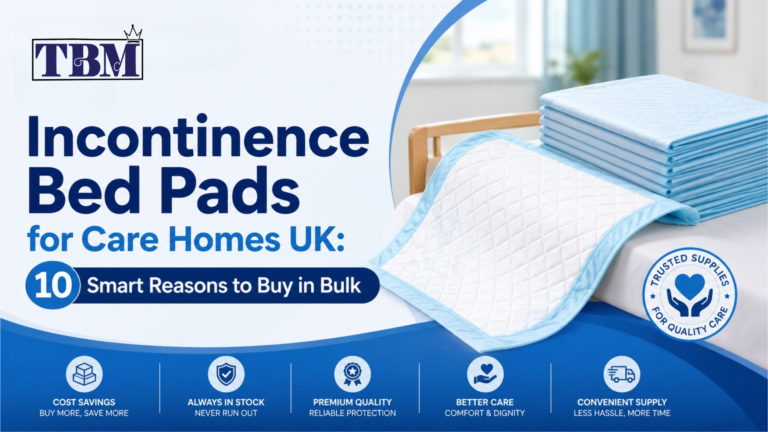
Every disposable bed pad is built around the same core function: absorbing liquid quickly and containing it with a waterproof backing, regardless of what surface it’s sitting on. That’s what makes them flexible enough to use well beyond the bedroom — the underlying construction doesn’t care whether it’s protecting a mattress, a car seat, or a wheelchair cushion. Our guide on what’s actually inside a disposable bed pad explains the layer construction that makes this versatility possible.
Using Bed Pads on Beds
This remains the primary use case, and for good reason — overnight incontinence protection is one of the most consistent needs in home and care settings. TBM Trading’s 60x90cm bed pads are sized specifically for full torso-and-hip coverage during sleep, and our guide to protecting your mattress from incontinence leaks covers how to layer them with a mattress protector for maximum protection.
Protecting Sofas & Chairs
A pad placed across a sofa cushion or dining chair provides localised, discreet protection without needing to cover the whole piece of furniture in plastic sheeting. This is particularly useful for daytime use, where a smaller 60x60cm pad offers enough coverage without excess material.
Wheelchairs & Other Seating Areas
For individuals who spend extended periods in a wheelchair, a properly sized pad placed on the seat manages moisture throughout the day and can be changed quickly without needing to remove or clean the wheelchair cushion itself. This is one of the more overlooked applications, but a genuinely practical one for both home carers and care facility staff.
During Personal Care & Changing
Bed pads are widely used as a protective surface during personal care routines, changing, or bathing preparation — anywhere a clean, absorbent, disposable surface is useful for a short period. Some parents even use them as a disposable baby changing mat alternative, since the absorbency and waterproof backing serve the same function regardless of who’s being cared for.
Travel & Temporary Protection
Because they’re flat, lightweight, and disposable, bed pads pack easily for travel — hotel stays, car journeys, or visiting family without a fully equipped care setup. A pad can be placed on an unfamiliar bed or car seat and simply discarded afterward, without needing to bring home anything soiled.
Who Can Benefit From Disposable Bed Pads?
Elderly Individuals
Whether managing incontinence independently or with support, elderly individuals benefit from having pads available across multiple rooms and furniture — not just the bedroom. Our guide on incontinence care for the elderly covers this in more depth, including how to choose the right absorbency level for overnight versus daytime use.
Caregivers
Family carers and professional care staff benefit from the reduced laundry burden that comes with disposable protection across multiple surfaces, freeing up time that would otherwise go toward washing and drying reusable products.
Home-Care Users
Anyone managing incontinence at home, whether temporarily (post-surgery, for example) or as an ongoing need, benefits from keeping a stock of pads accessible in multiple rooms rather than concentrated only around the bed.
Tips for Using Disposable Pads Effectively
- Keep a small stock in each key room — bedroom, living room, and car — rather than storing everything in one place
- Match pad size to surface — a 60x60cm pad suits chairs and smaller areas, while 60x90cm is better for full beds
- Change pads promptly after use, regardless of which surface they’re protecting, to maintain hygiene
- Buy in bulk if using pads across multiple settings regularly — our guide on cutting costs with bulk bed pads explains how bulk purchasing supports this kind of everyday, multi-room use
Frequently Asked Questions
Can disposable bed pads be used on sofas? Yes, disposable bed pads work well on sofas, providing localised protection against spills or leaks on upholstery without needing to cover the entire piece of furniture.
Can they be used on wheelchairs? Yes, a properly sized disposable pad can be placed on a wheelchair seat to manage moisture throughout the day, offering a practical option for individuals who spend extended periods seated.
Can bed pads protect furniture? Yes, disposable bed pads are commonly used to protect a wide range of furniture, including sofas, chairs, and wheelchairs, in addition to their primary use protecting mattresses and beds.
How often should a disposable bed pad be changed? A disposable bed pad should be changed immediately after use, and at least once every 24 hours even without visible soiling, to maintain hygiene regardless of which surface it’s protecting.
Final Thoughts
Disposable bed pads are far more versatile than their name suggests, offering practical protection across beds, sofas, chairs, wheelchairs, and even travel situations. Keeping a stock on hand across multiple settings, rather than just the bedroom, makes day-to-day care noticeably easier. Shop TBM Trading’s full range online with free UK delivery, or get in touch if you’d like help planning the right sizes and quantities for your household.