Caring for an elderly parent, partner, or relative with incontinence brings a specific set of practical decisions — and choosing the right bed protection is one of the most immediate. This guide walks through what elderly incontinence actually involves, why bed protection matters, and how to choose the right product with confidence.
What Is Incontinence in Older Adults?
Incontinence in older adults refers to the involuntary loss of bladder or bowel control, and it’s a common condition rather than an unusual one — the NHS notes that urinary incontinence affects a significant proportion of older adults, often linked to factors like reduced muscle tone, certain medications, or underlying health conditions. It can range from occasional light leaks to more frequent, heavier episodes, and the right bed protection approach depends heavily on where an individual falls on that spectrum.
Why Bed Protection Matters
Beyond the obvious practical concern of protecting mattresses and furniture, proper bed protection plays a direct role in comfort, dignity, and skin health. Prolonged contact with moisture increases the risk of skin irritation and breakdown, a condition sometimes referred to as incontinence-associated dermatitis. Reliable, well-chosen bed protection reduces this risk significantly compared to inconsistent or inadequate coverage.
How Disposable Bed Pads Help
Disposable bed pads can provide an additional layer of protection for mattresses, beds, chairs, and other surfaces when caring for an elderly person with incontinence. The appropriate product depends on factors such as absorbency, surface size, frequency of use, and the level of protection required. Unlike reusable products, disposable pads offer consistent, full absorbency with every use, which matters particularly for caregivers managing multiple changes per day without the added burden of laundry. Our guide on what’s inside disposable bed pads explains the layer construction that makes this possible.
Waterproof Incontinence Sheets for Elderly Care
Waterproof incontinence sheets serve a slightly broader role than pads alone, often used across multiple surfaces beyond the bed — chairs, wheelchairs, and sofas — wherever additional protection is needed throughout the day. This flexibility is covered in more depth in our guide on how one pad can be used across many settings, which is particularly relevant for caregivers managing care across multiple rooms in a home.
Factors to Consider When Choosing a Bed Pad
Absorbency
Look for a pad with a genuine super-absorbent polymer (SAP) core rather than cellulose alone, particularly for overnight use where longer gaps between changes are common. Lower absorbency pads increase the risk of leaks and more frequent disruption during the night.
Size
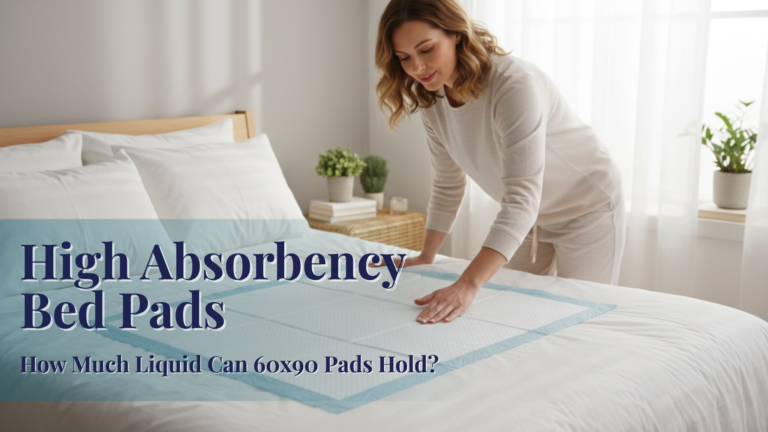
TBM Trading offers both 60x60cm and 60x90cm options — the larger size is generally better suited to full overnight bed coverage, while the smaller size works well for chairs or lighter daytime use. Our full size guide breaks down which suits which situation.
Surface Coverage
Consider all the surfaces that need protection, not just the bed — many caregivers find it useful to keep pads accessible in the living room or wherever the individual spends most of their day, not just the bedroom.
Frequency of Use
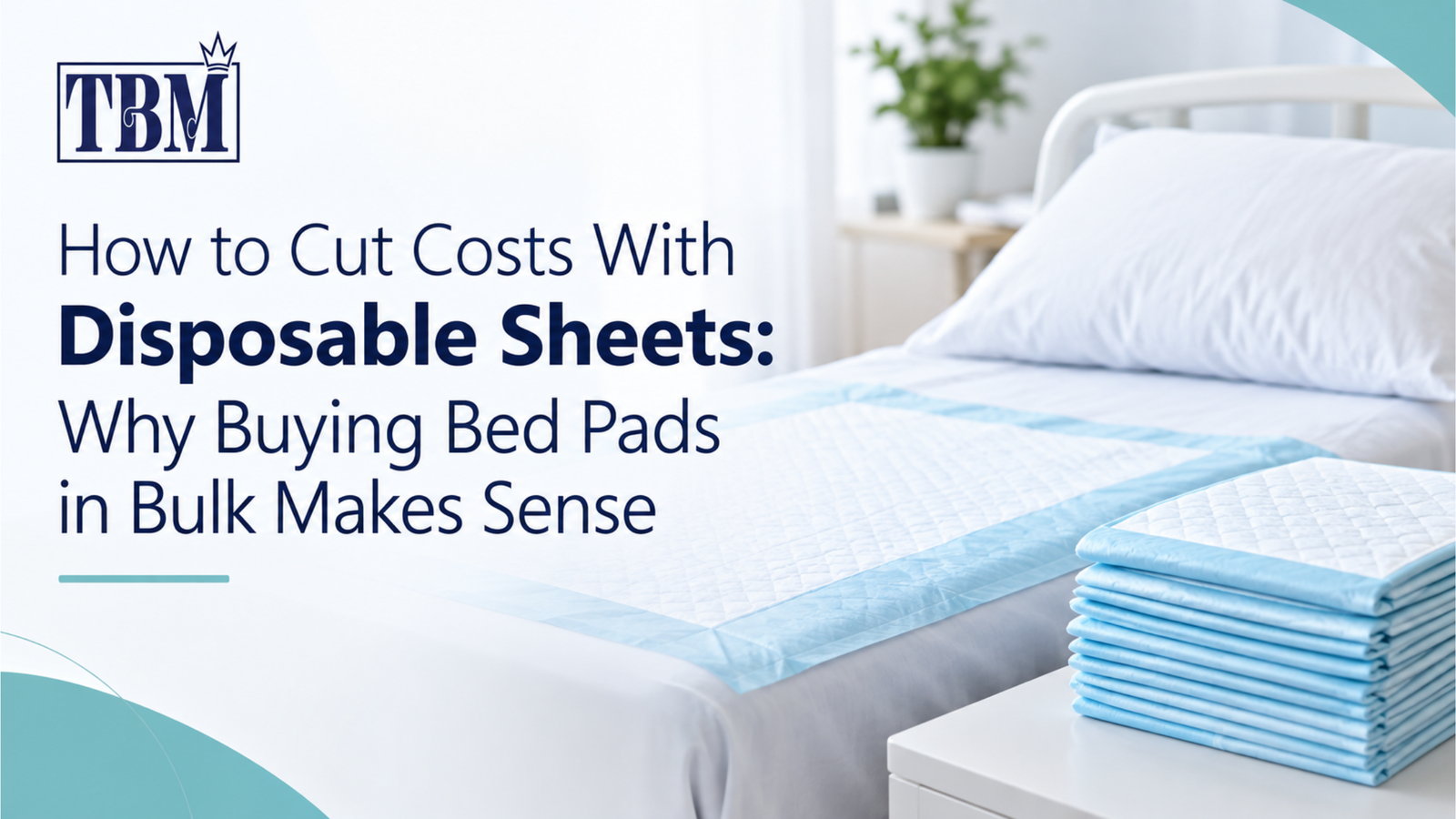
Regular, daily use benefits significantly from bulk purchasing, both for cost savings and to reduce the risk of running low on supply. Our guide on cutting costs with bulk disposable bed pads covers how to plan monthly quantities based on actual usage.
Tips for Caregivers
- Establish a consistent changing routine, rather than reacting only after visible leaks, to reduce skin irritation risk
- Keep spare pads and bedding within easy reach, particularly for overnight changes
- Layer protection where needed — a bed pad on top of a waterproof mattress protector offers stronger overall coverage, covered in our guide on protecting mattresses from incontinence leaks
- Check in on comfort, not just function — a well-fitted, soft-surfaced pad supports dignity as much as practicality
- Consider VAT relief eligibility — many elderly individuals with a qualifying chronic condition are eligible for VAT relief on incontinence products, explained fully in our VAT relief guide
When to Replace a Disposable Bed Pad
A disposable bed pad should be changed immediately after use, and at minimum once every 24 hours even without visible soiling, to maintain hygiene and reduce the risk of skin irritation. For overnight use, checking and changing pads as part of a consistent morning routine helps ensure this happens reliably even during busy caregiving days.
Frequently Asked Questions
What bed protection is best for elderly people? The best option depends on the individual’s needs, but disposable bed pads with a genuine SAP-based absorbent core and waterproof backing generally offer the most reliable protection, with size chosen based on coverage area and frequency of use.
How often should an elderly person’s bed pad be changed? A bed pad should be changed immediately after use, and at least once every 24 hours even without visible soiling, to help maintain hygiene and reduce the risk of skin irritation over time.
Are disposable bed pads suitable for overnight use? Yes, disposable bed pads, particularly larger 60x90cm sizes with a strong absorbent core, are widely used for overnight incontinence protection, offering full coverage of the torso and hip area where leaks most commonly occur.
How can caregivers protect mattresses from incontinence? Caregivers can protect mattresses by using a layered approach: a waterproof mattress protector as a base layer, combined with a disposable bed pad on top as the primary absorbent surface, which is changed regularly without needing to strip the entire bed.
Final Thoughts
Choosing the right bed protection for elderly incontinence care comes down to matching absorbency, size, and frequency of use to the individual’s actual needs — and building a consistent routine around it. Shop TBM Trading’s full range of trusted incontinence products online, with free UK delivery, or get in touch for guidance on choosing the right products for your caregiving situation.