Washable Incontinence Bed Pads 5 Proven Reasons Washable Offer Better Value for UK Families
Managing incontinence is a journey that often begins with a single, pressing question: “How much is this going to cost?” Between the emotional toll and the physical demands of caregiving, the financial aspect of purchasing supplies can feel like an added weight. In the UK, families often find themselves standing in the supermarket aisle or browsing online, debating between the immediate convenience of disposables and the long-term promise of washable incontinence bed pads.
At TBM Trading, we believe that the “best” product isn’t just the one that absorbs the most liquid—it’s the one that fits your budget, your lifestyle, and your values. While disposables offer a “use and toss” simplicity, the shift toward washable incontinence bed pads is gaining massive momentum across the UK.
In this comprehensive guide, we’ll crunch the numbers, compare the performance, and help you decide which solution will truly save you more in the long run.
The Upfront Cost vs. The Long-Term Investment
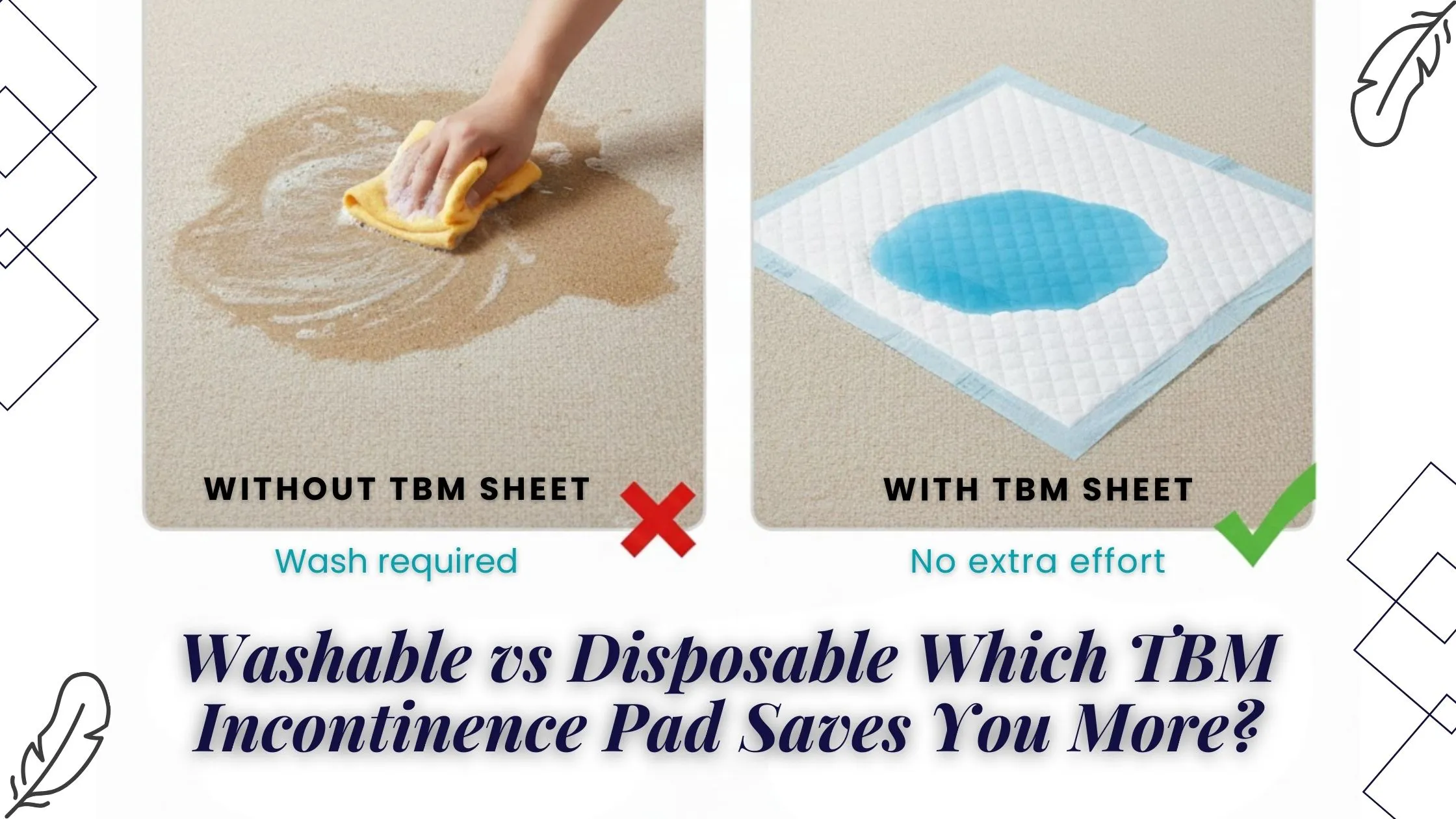
When you look at a pack of disposable under pads, the price tag looks enticingly low. You might pay £10 for a pack of 25. On the other hand, a single, high-quality washable incontinence bed pad from TBM Trading might cost £15 to £20.
At first glance, the disposables seem to win the “savings” war. But let’s look at the math over a year of use.
The Financial Breakdown (A 12-Month Comparison)
Scenario: One accident per night.
- Disposable Under pads:
- Average cost per pad: £0.45
- Usage: 365 pads per year
- Total Annual Cost: £164.25
- Note: This doesn’t account for nights where multiple pads are used due to heavy leaks.
- Washable Incontinence Bed Pads:
- Average cost per pad: £18.00
- Number of pads needed (for a rotation): 3 pads
- Total Annual Cost: £54.00
- Note: TBM washable pads are designed to withstand 200–300 industrial-strength washes.
The Winner: Over just one year, switching to washable incontinence bed pads can save you over £110 per person. If you are caring for multiple residents in a care home setting or managing long-term chronic conditions, these savings scale into the thousands.
Performance and Skin Health: Beyond the Price Tag
Savings aren’t just measured in pounds and pence; they are measured in the health of the person using the product. Incontinence-Associated Dermatitis (IAD) and pressure sores are expensive and painful complications.
Disposable Pads: The “Dry but Synthetic” Feel
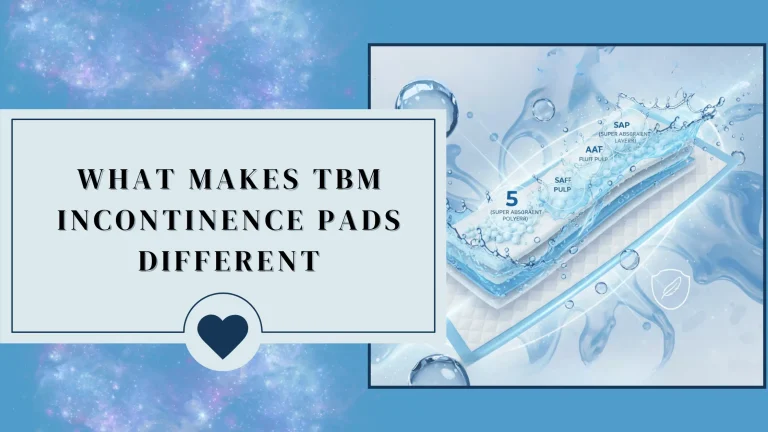
Disposables are excellent at locking away liquid using Super Absorbent Polymers (SAP). However, they are often backed with polyethylene (plastic). This can create a “greenhouse effect,” trapping heat and sweat against the skin, which can lead to skin breakdown in elderly users or those with limited mobility.
Washable Incontinence Bed Pads: The Breathable Choice
TBM’s washable incontinence bed pads are engineered with a quilted, non-woven top layer that mimics the feel of regular bedding.
- Wicking Technology: They pull moisture into a middle “soaker” layer while keeping the surface dry.
- Breathable Backing: Unlike cheap PVC, our pads use a breathable polyurethane (PU) membrane. This allows air to circulate, significantly reducing the risk of heat rash and bedsores.
- Stability: Washable pads are heavier and often come with “wings” or a non-slip backing. This prevents the “bunching” that often happens with lightweight disposables, ensuring the protection stays exactly where it’s needed.
For more information on maintaining skin integrity, the NHS guide on pressure ulcers provides vital context on why keeping skin cool and dry is so important.
The Environmental Cost: A Greener Way to Care
The UK produces an estimated 3 billion disposable hygiene products every year, the majority of which end up in landfills. Each disposable pad can take up to 500 years to decompose.
By choosing washable incontinence bed pads, you are drastically reducing your household’s carbon footprint.
- Waste Reduction: Instead of throwing away 365+ pads a year, you are using just three or four.
- Energy Efficiency: Modern washing machines are highly efficient. When you wash your bed pads along with your regular towels or linens, the “per-wash” cost is negligible compared to the environmental cost of manufacturing and transporting thousands of plastic-based disposables.
Check out Friends of the Earth for more insights on how small household changes contribute to UK sustainability goals.
When to Choose Disposables (The Convenience Factor)
We would be remiss if we didn’t mention that disposables do have a place. Even at TBM Trading, we recommend keeping a stash of disposable under pads for specific scenarios:
- Travel and Holidays: Washing and drying heavy bed pads while staying in a hotel or visiting family isn’t always practical.
- Short-term Illness: If a loved one has a stomach bug or a temporary infection, disposables offer the highest level of hygiene and “one-and-done” disposal.
- Post-Surgery: For the first few days after a procedure where fluids might be heavy or contain medication, disposables simplify the recovery process.
Maintenance Tips: How to Make Your Washable Pads Last
To ensure your washable incontinence bed pads provide the best ROI (Return on Investment), you must care for them correctly.
- Skip the Fabric Softener: This is the most important rule. Fabric softeners coat the fibers in a waxy layer, which eventually makes the pad “waterproof” on the top—meaning the urine will roll off the side rather than being absorbed.
- Wash at 60°C: This is the magic temperature for killing bacteria and ensuring the pad is thermally disinfected. TBM pads are built to handle these temperatures without shrinking.
- Air Dry When Possible: While our pads are tumble-dry safe (on low heat), air drying extends the life of the waterproof PU membrane.
- No Bleach: Harsh bleach can break down the waterproof backing. Use a standard non-bio detergent for the best results.
Why TBM Trading is the UK’s Trusted Supplier
At TBM Trading, we don’t believe in “cheap” solutions—we believe in value. Our washable incontinence bed pads are sourced from manufacturers who supply the NHS and private healthcare sectors.
- VAT Relief: Many of our customers are eligible for VAT relief on their purchases, further increasing the savings on our washable range.
- Discreet Shipping: We understand the need for privacy. All our orders are shipped in plain, unbranded packaging.
- Expert Support: Not sure which absorbency you need? Our UK-based team is ready to help you find the right fit for your bed size and leakage level.
Comparison Table: At a Glance
|
Feature |
Disposable Under pads |
TBM Washable Bed Pads |
|
Upfront Cost |
Low (£0.30 – £0.60 per pad) |
Moderate (£15 – £25 per pad) |
|
Annual Cost |
High (£150+) |
Low (£50 – £70) |
|
Absorbency |
Very High (SAP Gel) |
High (Quilted Soaker) |
|
Skin Safety |
Risk of “Heat Rash” |
Breathable & Soft |
|
Eco-Friendliness |
Poor (Landfill Waste) |
Excellent (Reusable) |
|
Best For |
Travel & Short-term use |
Daily home care & Long-term use |
Frequently Asked Questions (FAQs)
How many washable incontinence bed pads do I need to start?
We recommend the “Rule of Three”: One on the bed, one in the wash, and one in the cupboard ready for an emergency. This ensures you are never caught without protection while waiting for a laundry cycle to finish.
Do they really stay in place?
Yes. Unlike disposables that are very light and tend to “skate” across the sheet, washable incontinence bed pads have weight and texture. For extra security, choose a model with “wings” (tuck-in flaps) that secure the pad under the mattress.
ERIC – The Children’s Bowel & Bladder Charity (UK)
UK charity specializing in bladder and bowel health for children and families.
Can I use them for pets?
Absolutely. While they are designed for human care, many customers find they are a much more cost-effective and durable alternative to “puppy pads,” especially for senior dogs with chronic incontinence.
Are they crinkly or loud?
Not the high-quality ones. TBM’s pads use silent PU backing. You won’t hear that “plastic rustling” sound every time the person rolls over, which is essential for a restful night’s sleep.
Can I buy these if I am a care home manager?
Yes. We offer bulk pricing and clinical-grade certification for all our incontinence solutions. Our washable pads are designed to withstand industrial laundering processes.
Conclusion: Making the Move to Washable
The choice between washable and disposable isn’t just about the money in your bank account today; it’s about the comfort of the person in the bed and the sustainability of your care routine.
While disposables offer unmatched convenience for travel, washable incontinence bed pads are the undisputed champions of long-term home care. They save you money, protect the environment, and—most importantly—provide a softer, more dignified sleep experience for your loved ones.
Ready to make the switch and start saving? Explore our full collection of washable bed protection and find the perfect fit for your home today.
Mayo Clinic Bedwetting (Nocturnal Enuresis)
Internationally recognized medical resource explaining bedwetting and care options.