7 Powerful Benefits of TBM Maternity Bed Mats for Stress Free Pregnancy & Postpartum Care
Maternity Bed Mats The third trimester is a whirlwind of nursery decorating, name-shortlisting, and the inevitable “nesting” phase. But as your due date approaches, the focus shifts toward the most important suitcase you’ll ever pack: the hospital bag. Most lists tell you to pack baby grows, nursing bras, and snacks, but there is one item often whispered about in mum-groups and midwife clinics that is an absolute game-changer for your comfort: maternity bed mats.
Postpartum recovery is a beautiful, transformative, yet physically demanding time. Between the potential for your waters breaking at home and the weeks of lochia (postpartum bleeding) that follow, protecting your environment—and your skin—is vital.
At TBM Trading, we’ve seen a massive shift in how expectant mothers prepare. Instead of relying on thin, supermarket-grade liners, women are choosing our clinical-standard maternity bed mats to ensure their “fourth trimester” is defined by healing and bonding, not by worrying about ruined mattresses or damp sheets.
What Are Maternity Bed Mats and Why Do You Need Them?
While “maternity pads” are worn like traditional sanitary towels, maternity bed mats (also known as under pads) are large, absorbent sheets designed to lay directly on your bed, sofa, or car seat.
Why they are a “must-have”:
- The “Waters Breaking” Moment: Only about 15% of women experience their waters breaking before labor starts, but when it happens, it isn’t always a trickle. Having a mat on your mattress or car seat during those final weeks saves you from a very difficult cleaning job.
- Postpartum Lochia: After birth, the body sheds the lining of the uterus. This bleeding (lochia) is heaviest in the first 24–72 hours and can last for several weeks. Even the best maternity pad can leak during the night; a bed mat provides that essential second layer of safety.
- Home Birth Preparation: If you are planning a home birth, your midwife will likely include maternity bed mats on your “essential supplies” list to protect your flooring and furniture.
- Air-Flow Healing: Many midwives recommend “airing out” the perineum area to speed up healing, especially if you have stitches. Bed mats allow you to lie comfortably without a pad or underwear while remaining completely protected.
The TBM Difference: Why Clinical Grade Matters for Mothers
When you’re recovering from birth, your skin is incredibly sensitive. Hormonal shifts can also lead to night sweats, making breathability a priority. This is why many women are bypassing standard baby-aisle brands and opting for TBM’s professional-grade pads.
1. Superior Absorbency (SAP Technology)
Our maternity bed mats utilize Super Absorbent Polymer (SAP). This technology doesn’t just “hold” liquid; it transforms it into a dry gel. This means that if a leak occurs, the moisture is locked away from your body instantly, reducing the risk of infection or skin irritation.
2. Large Coverage Area
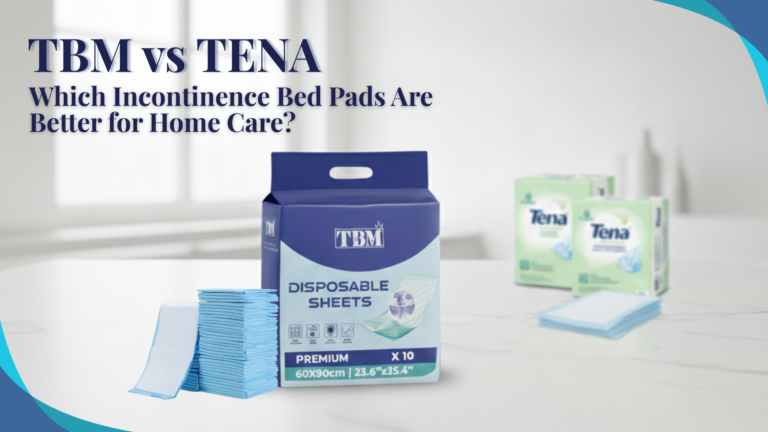
Supermarket “puppy pads” (which some mistakenly use) or small maternity liners often shift during the night. TBM mats come in generous sizes (such as 60x90cm), providing enough surface area to cover the “toss and turn” zone of your bed.
3. Gentle on Skin
Postpartum skin is prone to “maternal dermatitis.” Our mats feature a soft, non-woven top sheet that feels gentle against the skin, unlike the “plastic-heavy” feel of cheaper alternatives.
How to Use Maternity Bed Mats Throughout Your Journey
The Late Pregnancy Phase (36+ Weeks)
Keep one maternity bed mat under your bedsheet and one in the glove compartment of your car. If your waters break while you’re driving to the hospital or sleeping, you’ll be glad for the barrier.
The Hospital Stay
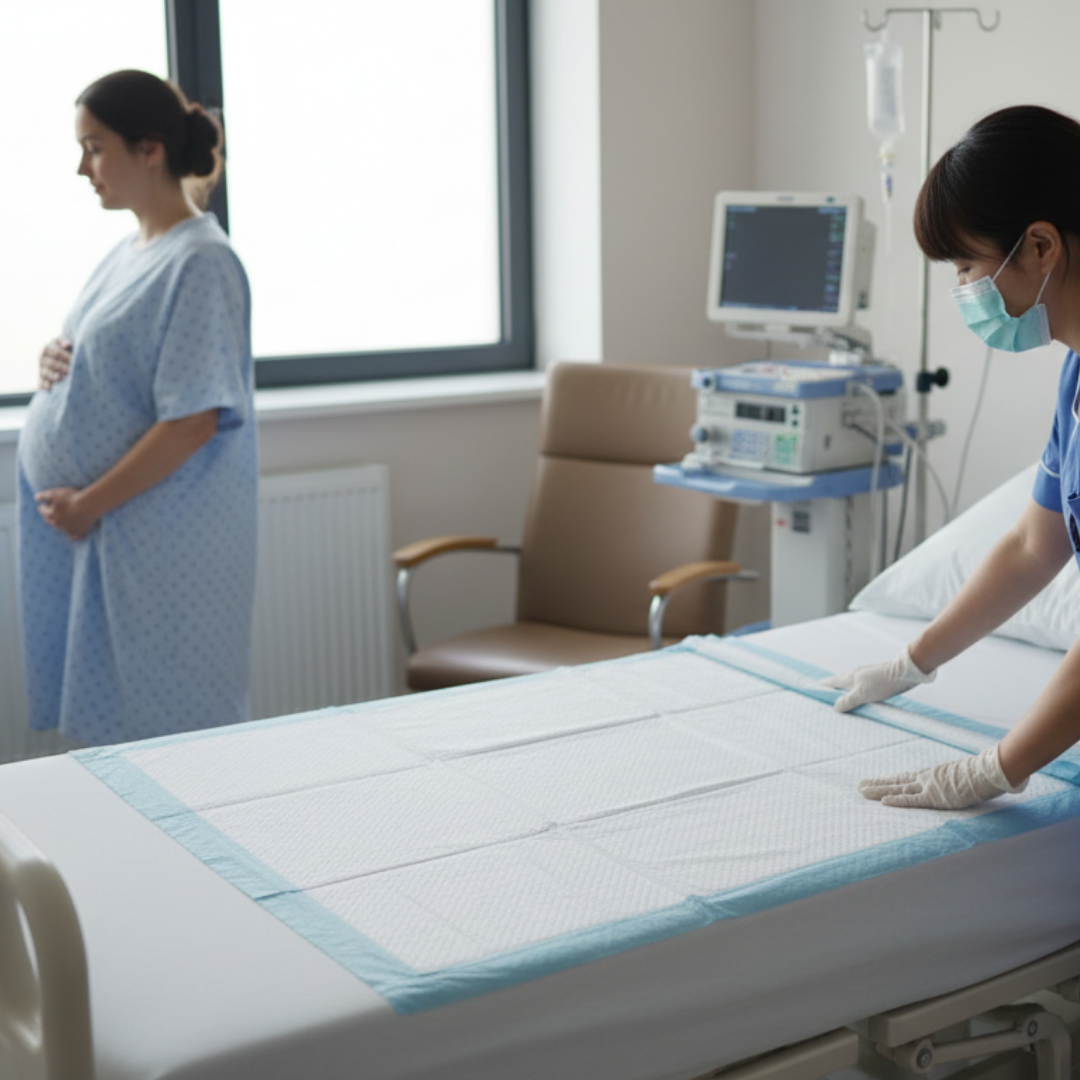
Hospital beds have waterproof covers, but they can be “crinkly” and hot. Placing your own TBM mat on top provides a softer surface and an extra layer of protection during those first heavy-flow nights.
The First Week at Home
This is when you are likely doing a lot of “side-lying” breastfeeding. Leaks happen—both from lochia and from leaking breasts as your milk comes in. Placing a mat under your torso during these feeds prevents milk and blood from reaching your duvet and mattress.
For Baby Too!
The beauty of maternity bed mats is their versatility. They make excellent, hygienic disposable changing mats for your nappy bag, especially when using public changing tables.
Comparing Your Options: What’s Best for You?
| Feature | TBM Clinical Mats | Standard Supermarket Mats |
| Absorbency | Ultra-High (SAP Gel) | Moderate (Cotton Pulp) |
| Surface Feel | Cotton-soft, non-woven | Often plastic/synthetic |
| Backing | Waterproof & Non-Slip | Often slides on bedding |
| Size | 60x90cm (Full Coverage) | Often 60x60cm or smaller |
Practical Tips for Postpartum Bed Protection
- The Layering Technique: Place the mat on top of your bottom sheet. If you want it to be even more discreet, place it directly under the bottom sheet. However, placing it on top makes for a quicker change if an accident occurs.
- Stay Fresh: Change the mat daily, even if it looks dry. Dust, sweat, and skin cells accumulate, and maintaining a sterile environment is key to postpartum healing.
- Don’t Forget the Sofa: You’ll likely spend a lot of time on the sofa during the first few weeks. Tucking a maternity bed mat under a throw or cushion protects your furniture while you rest.
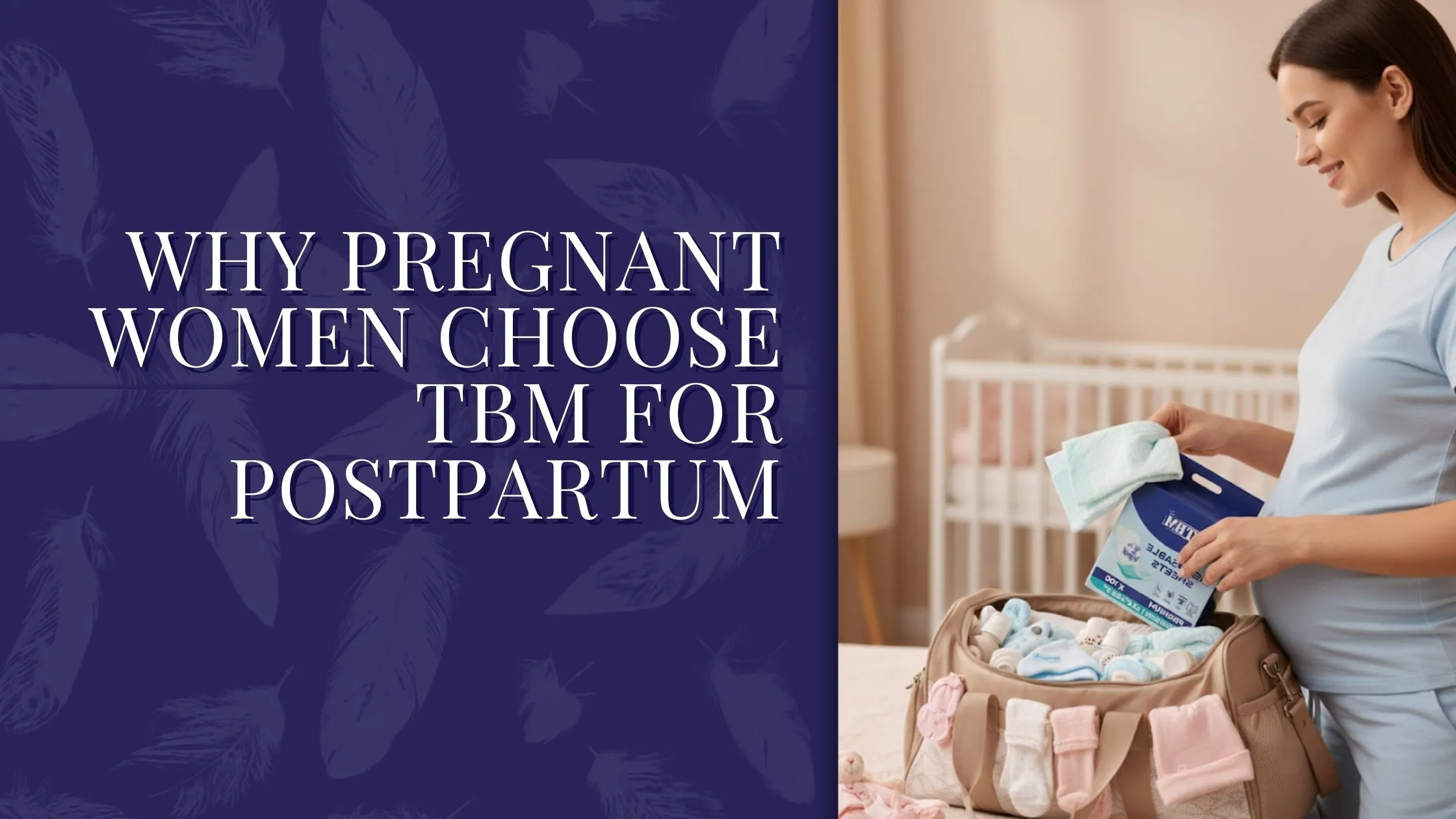
- Pair with Quality Pads: For the best results, use the mats in conjunction with high-absorbency maternity pads. You can view our full range of absorbent products to build your ultimate recovery kit.
Frequently Asked Questions (FAQs)
Are maternity bed mats the same as puppy pads?
While they look similar, they are not the same. Maternity bed mats are designed for human skin; they are dermatologically tested and do not contain the “attractant” scents often found in pet pads. For postpartum healing, always choose a human-grade product for safety and hygiene.
How many mats should I pack in my hospital bag?
We recommend packing at least 3 to 5 mats for the hospital stay. You may want a larger stash (10–20) at home for the first two weeks of recovery.
Can these be used after a C-Section?
Absolutely. In fact, they are highly recommended. After a C-section, mobility can be limited, and getting out of bed quickly to change a pad is difficult. Having a maternity bed mat ensures that any leaks are caught, keeping your incision site dry and clean.
Are they environmentally friendly?
While disposable mats are the most hygienic for the heavy-flow early days, TBM Trading also offers advice on washable alternatives for later in your recovery. However, for the initial lochia phase, most midwives suggest disposables to minimize the risk of infection.
When should I stop using them?
Most women find they no longer need bed protection after 2 to 3 weeks, once the lochia flow transitions to a lighter “spotting” phase. For more info on what to expect, see the NHS guide on postpartum recovery.
Beyond the Birth: The TBM Promise
At TBM Trading, we know that the journey into motherhood is filled with unexpected challenges. Our mission is to take the “worry” out of the physical side of recovery. By providing high-quality maternity bed mats, we help you focus on what really matters: your new baby.
Our products are trusted by healthcare professionals and families across the UK because we don’t compromise on absorbency or skin safety. When you choose TBM, you are choosing dignity and comfort during one of life’s most vulnerable and beautiful moments.