Maintain Incontinence Sheets
How to Clean No 1 Protectors
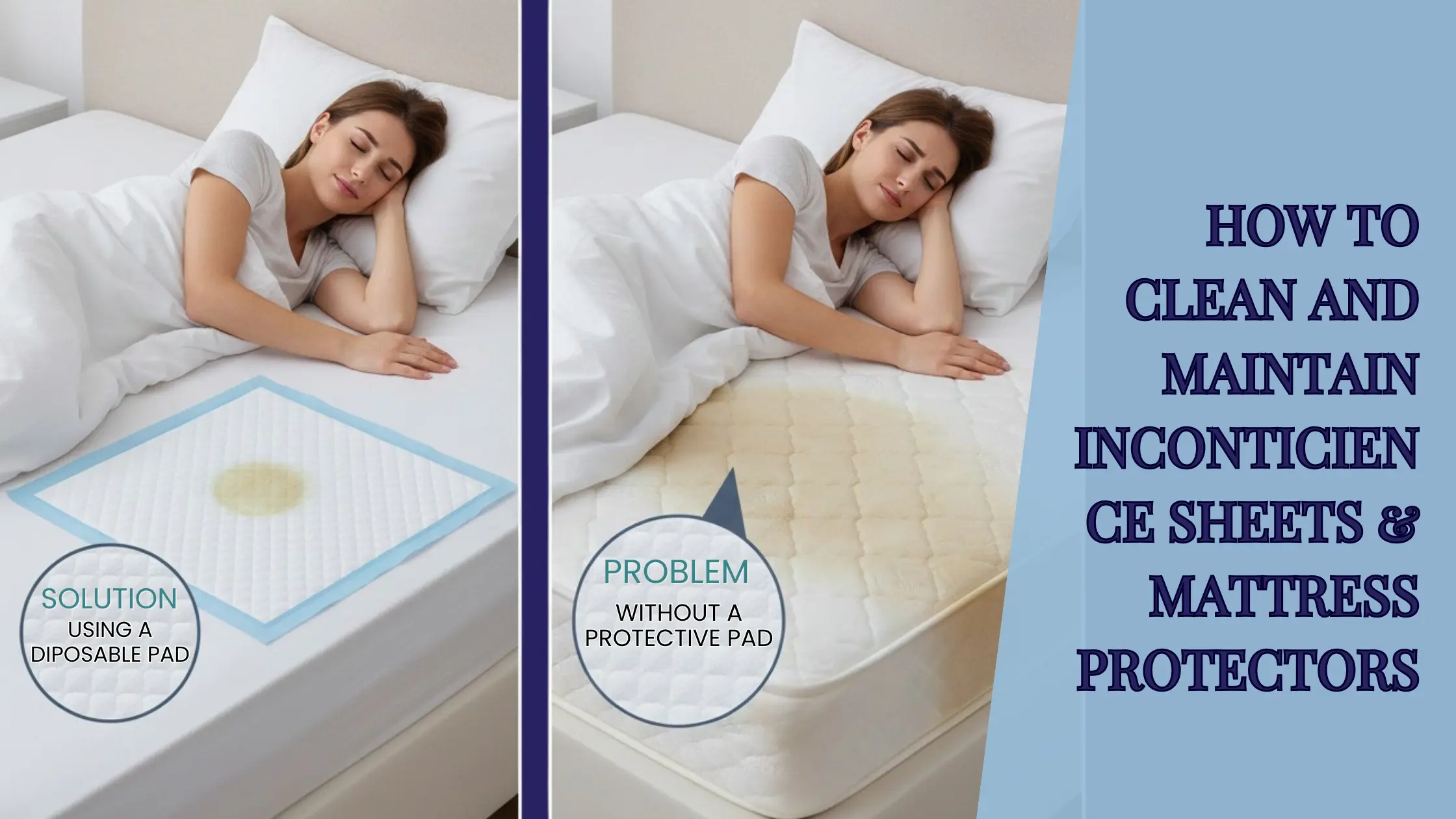
Maintain Incontinence Sheets and mattress protectors are essential for ensuring hygiene, comfort, and furniture protection—whether at home, in hospitals, or in care facilities. However, their long-term effectiveness heavily depends on proper cleaning and upkeep. Understanding Maintain incontinence sheets correctly not only helps extend the lifespan of these products but also ensures they remain hygienic, soft, and absorbent.
Many people often wonder, how to wash bed pads reusable without damaging their absorbency or waterproof layers. In this informative guide, we answer that question and offer you practical tips for maintain incontinence sheets and mattress protectors effectively and safely.
Why Proper Maintain Matters
Incontinence products are frequently exposed to moisture, bacteria, and friction. Without proper care, they can:
- Lose absorbency
- Develop unpleasant odors
- Become rough or uncomfortable
- Cause skin irritation or infections
That’s why following the right cleaning procedures is crucial for hygiene, comfort, and long-term durability.
Types of Incontinence Sheets & Mattress Protectors
Before we discuss cleaning, it’s important to understand the different types of incontinence bedding. Their maintenance requirements may slightly vary depending on material:
Common Incontinence Bedding Types
| Type | Features | Wash ability |
| Disposable Bed Pads | Single-use, hygienic, soft | Not washable |
| Reusable Bed Pads | Highly absorbent, washable, eco-friendly | Machine washable |
| Waterproof Mattress Protectors | Durable, full coverage | Washable (check label) |
| Chair & Seat Protectors | Small, portable, washable | Machine washable |
| Luxury Quilted Under pads | Soft, breathable, high absorption | Washable but care needed |
For premium washable and reusable bed pads, visit:
https://tbmtrading.com//collections/underpads
How to Wash Bed Pads Reusable: Step-by-Step Guide
If you’re wondering how to wash bed pads reusable safely without ruining their absorbency, follow this simple process:
Step 1: Remove and Pre-Rinse
- Remove from bedding promptly to prevent stains.
- Rinse out any urine or fluid under cold running water.
Step 2: Soak for Deep Cleaning (Optional but beneficial)
- Soak in mild detergent and cold water for 30–45 minutes.
- Avoid harsh chemicals like bleach or fabric softeners.
Step 3: Machine Wash Properly
✔ Use mild detergent
✔ Cold or warm setting (not hot)
✔ Gentle wash cycle
✔ Avoid bleach (can ruin absorbency and waterproof backing)
Perfect Washing Temperature:
30°C – 40°C is ideal to maintain quality and waterproof layer.
Step 4: Drying the Pads
- Air-dry naturally (best method)
- If using a dryer, use low tumble or delicate heat
- Avoid direct sunlight for waterproof-backed pads
Pro Tip: High heat can damage the waterproof PU or PVC backing.
General Maintenance Tips for Maintain Incontinence Sheets
To maintain product performance, durability, and hygiene, follow these essential tips for Maintain incontinence sheets:
✔ DO’s for Maintenance
- Wash regularly, preferably after each use
- Use mild, non-bio detergent
- Inspect for cracks or peeling of backing
- Store in a clean and dry place
- Rotate sheets to prolong usage life
DON’Ts
- No bleach or harsh chemicals
- Avoid ironing (destroys waterproof layer)
- Do not wring forcefully
- Don’t use fabric softeners—reduces absorbency
How Often Should You Wash Mattress Protectors and Sheets?
| Product Type | Recommended Washing Frequency |
| Reusable bed pads | After each use |
| Mattress protectors (waterproof) | Every 1–2 weeks or after spill |
| Seat protectors | After urine leak or weekly |
| Disposable pads | Not washable – replace after use |
—
Maintain Freshness & Odor Control
Odor control is a major concern when dealing with incontinence bedding.
Easy Odor Control Hacks:
✔ Use antibacterial laundry detergents
✔ Add ½ cup of white vinegar during rinse (natural odor neutralizer)
✔ Dry in fresh air to minimize smell
✔ Ensure complete drying before reuse
Shop Anti-Odor Bed Pads:
https://tbmtrading.com//products/washable-underpads
Extending the Lifespan of Reusable Incontinence Sheets
High-quality washable bed pads typically last up to 150–200 washes when maintained correctly.
To Extend Lifespan
- Rotate sheets (use 2–3 pads in a cycle)
- Follow washing instructions carefully
- Avoid excessive heat exposure
- Store folded in a dry, moisture-free area
A little extra care can help your bed pads last up to 2 years or more.
Protecting Bed and Chair Furniture Long-Term
Using properly maintained sheets also helps protect household or facility furniture from long-term damage.
Benefits of Using Mattress & Chair Protectors:
✔ Prevent fluid damage to expensive furniture
✔ Reduce laundry and cleaning costs
✔ Improve hygiene for residents/patients
✔ Boost comfort and confidence
Bed & Chair Protection Products:
https://tbmtrading.com//collections/bed-and-chair-protection
Eco-Friendly and Cost-Saving Benefits
While disposable pads may seem convenient, reusable sheets are more cost-efficient and eco-friendly.
Reusable Pads vs Disposable Pads:
| Feature | Reusable | Disposable |
| Cost long term | Cheaper | Expensive long-term |
| Eco-friendly | Yes | No |
| Hygiene | Excellent | Good |
| Comfort | Soft and breathable | Basic |
| Absorbency | High | Medium |
FAQs – Washing & Maintain Incontinence Sheets
Q1. What is the safest way to wash reusable bed pads?
Wash on a gentle cycle at 30–40°C using mild detergent, and air dry or tumble dry on low heat.
Q2. Can I use bleach to remove stains?
No. Bleach damages absorbent fibers and waterproof layers, reducing functionality.
Q3. How long do reusable bed pads last?
With proper care, they can last 150–200 washes or up to 2 years.
Q4. Is it safe to iron incontinence sheets?
Avoid ironing, as heat can damage the waterproof backing.
Q5. What detergent is best for incontinence pads?
Use a mild, bleach-free, non-bio detergent to preserve fabric integrity.
Final Thoughts
Maintaining hygiene and comfort with incontinence bedding doesn’t have to be complicated. By following proper maintain incontinence sheets techniques and learning how to wash bed pads reusable the right way, you can preserve their absorbency, softness, and durability—offering better care for yourself or your loved ones.
Whether for home, care facilities, or hospitals, choosing and maintaining quality incontinence products improves hygiene, reduces expenses, and increases dignity and comfort.
Explore high-quality reusable and washable incontinence bed pads and protectors at TBM Trading
👉 https://tbmtrading.com//
https://www.nhs.uk/conditions/urinary-incontinence/
https://www.weareverincontinence.com/
https://www.hospitalbeds.co.uk/incontinence-absorbent-bed-pads.html