How can you protect skin from irritation and damage caused by incontinence at home?
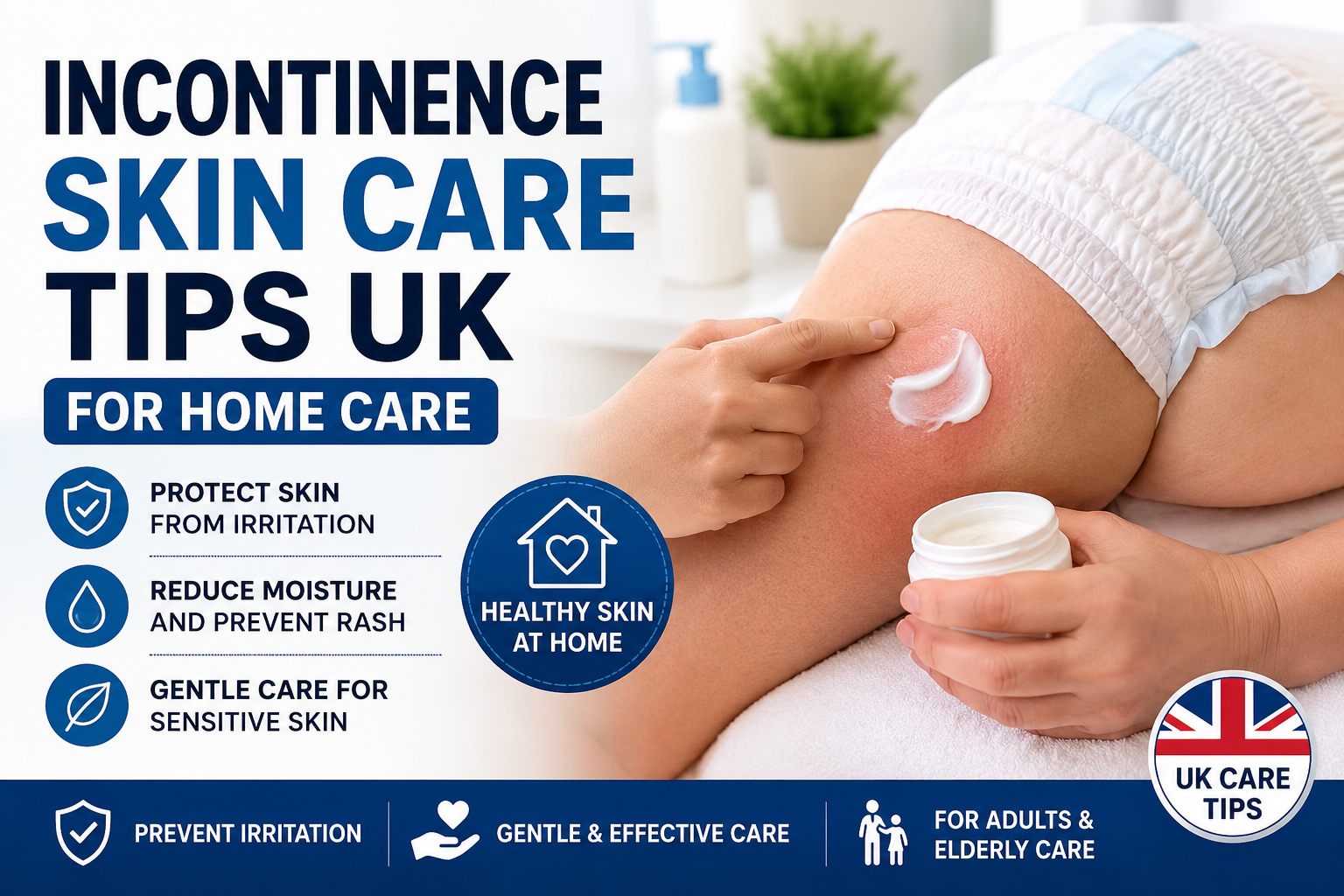
Proper Incontinence Skin Care Tips at home plays a critical role in protecting skin health by reducing moisture, preventing irritation, and maintaining comfort for patients and caregivers alike.
For many families across the UK, managing incontinence is about more than hygiene. Continuous exposure to moisture can weaken the skin barrier, increase sensitivity, and lead to painful conditions such as rashes, redness, and infections. Without proper care, even mild irritation can develop into more serious skin complications.
Following effective incontinence skin care tips UK households trust can help reduce discomfort while improving dignity and quality of life for elderly individuals, patients with limited mobility, and those receiving long-term home care. Simple steps such as using breathable products, cleansing the skin gently, and maintaining dryness can make a significant difference.
This guide explains how to prevent skin irritation caused by incontinence, protect vulnerable skin at home, and choose the right hygiene practices for safer daily care. Whether you are a caregiver, healthcare provider, or family member, these practical recommendations can help create a healthier and more comfortable routine.
Quick Answer
- Keep skin clean and dry to prevent moisture-related irritation.
- Use gentle, fragrance-free cleansing products for sensitive skin.
- Apply barrier creams to protect against urine and stool exposure.
- Change absorbent products regularly to reduce prolonged dampness.
- Choose breathable incontinence care products designed for skin protection.
Why Incontinence Affects Skin Health
Incontinence can significantly impact the skin because prolonged exposure to moisture changes the skin’s natural pH balance. When urine or stool remains on the skin for extended periods, it weakens the protective barrier and increases the risk of inflammation.
This condition is commonly referred to as incontinence-associated dermatitis, a form of moisture-related skin damage that often affects elderly individuals and patients with reduced mobility.
Common symptoms include:
- Redness and soreness
- Burning or itching sensations
- Skin peeling or cracking
- Increased sensitivity
- Rash development
- Risk of infection
Without proper intervention, mild irritation may progress into open wounds or pressure ulcers.
For families seeking reliable solutions, exploring professional adult incontinence hygiene products and care guidance through TBM Trading can support better long-term skin protection.
Understanding Moisture-Related Skin Damage Incontinence Skin Care Tips
What Causes Skin Irritation From Incontinence?
The primary causes include:
- Constant skin exposure to urine or faeces
- Friction from absorbent products
- Excessive washing with harsh soaps
- Poor airflow around affected areas
- Delayed product changes
Moisture softens the outer skin layer, making it easier for friction and bacteria to cause damage.
Areas Most Commonly Affected
Skin irritation from incontinence often appears around:
- Buttocks
- Inner thighs
- Groin area
- Lower abdomen
- Skin folds
Older adults are especially vulnerable because ageing skin becomes thinner and less resilient over time.
Essential Incontinence Skin Care Tips Caregivers Should Follow
1. Clean the Skin Gently
Harsh scrubbing can worsen irritation. Instead:
- Use warm water and soft cloths
- Choose pH-balanced cleansers
- Avoid alcohol-based wipes
- Pat the skin dry rather than rubbing
Gentle cleansing reduces friction and preserves the skin barrier.
According to the NHS guidance on adult incontinence, maintaining proper hygiene is essential for preventing skin complications linked to incontinence.
2. Keep Skin Dry
Dryness is critical for protecting skin from moisture damage.
Helpful practices include:
- Frequent pad changes
- Using breathable absorbent products
- Allowing airflow when possible
- Avoiding tight-fitting clothing
Excess moisture creates the ideal environment for irritation and bacterial growth.
3. Apply Barrier Creams
Barrier creams create a protective layer between skin and moisture.
Common ingredients include:
- Zinc oxide
- Dimethicone
- Petroleum-based protectants
These products help reduce friction while supporting healing.
4. Choose the Right Incontinence Products
Not all absorbent products provide the same level of protection.
Look for products with:
- High absorbency
- Breathable layers
- Odour control
- Soft materials for sensitive skin
You can explore specialised incontinence care solutions designed to improve comfort and skin protection for home care environments.
Best Daily Routine for Preventing Diaper Rash in Adults : Incontinence Skin Care Tips
Morning Care Routine
A consistent morning routine helps reduce irritation throughout the day.
Recommended steps:
- Remove overnight products carefully
- Cleanse the skin gently
- Inspect for redness or irritation
- Apply barrier cream
- Use a fresh absorbent product
Midday Monitoring
Caregivers should monitor:
- Dampness
- Odour
- Signs of chafing
- Skin temperature changes
Frequent checks help prevent prolonged exposure to moisture.
Evening Protection
Night-time moisture exposure can last several hours.
To minimise risk:
- Use overnight absorbent products
- Apply additional barrier protection
- Ensure bedding remains dry
- Use breathable sleepwear
These Incontinence Skin Care Tips are highly effective for preventing diaper rash in adults receiving long-term home care.
Comparing Common Skin Protection Methods
| Feature | Barrier Creams | Moisture-Wicking Products |
|---|---|---|
| Primary Function | Protects skin surface | Reduces moisture buildup |
| Best For | Sensitive or damaged skin | Long-term dryness |
| Application | Applied directly to skin | Integrated into products |
| Cost Range in UK | Low to moderate | Moderate |
| Ease of Use | Very easy | Easy |
| Recommended For | Daily protection | Continuous incontinence management |
Best Practices for Elderly Skin Protection at Home :Incontinence Skin Care Tips
Ageing skin requires additional care because it loses elasticity and natural oils over time.
Focus on Hydration
Hydrated skin is less likely to crack or become irritated.
Tips include:
- Encouraging adequate fluid intake
- Using moisturisers safe for sensitive skin
- Avoiding excessively hot water
Reduce Friction
Friction contributes significantly to skin breakdown.
Ways to reduce it:
- Use soft bedding
- Avoid dragging during repositioning
- Select properly fitted products
Maintain Regular Skin Checks
Daily skin inspections help identify problems early.
Watch for:
- Persistent redness
- Swelling
- Broken skin
- Pain or discomfort
The British Association of Dermatologists recommends early intervention for persistent skin irritation to reduce the risk of complications.
Home Care for Sensitive Skin
Choosing Skin-Friendly Products
When managing home care for sensitive skin, avoid products containing:
- Artificial fragrances
- Alcohol
- Harsh detergents
- Strong antibacterial chemicals
Instead, select hypoallergenic and dermatologically tested products.
Importance of Breathable Materials
Breathable fabrics help reduce sweating and trapped moisture.
Recommended materials include:
- Cotton blends
- Moisture-wicking textiles
- Air-permeable absorbent layers
These improve comfort while supporting skin health.
Signs You Should Seek Medical Advice
Some symptoms require professional evaluation.
Contact a healthcare provider if you notice:
- Open sores
- Bleeding skin
- Severe swelling
- Signs of infection
- Persistent pain
- Fever alongside skin irritation
The NICE continence care guidelines emphasise prompt treatment for worsening skin conditions associated with continence issues.
Cost Considerations for Incontinence Skin Care Tips
The cost of managing skin protection varies depending on product quality and patient needs.
Typical Monthly Costs
| Care Item | Estimated UK Monthly Cost |
|---|---|
| Barrier creams | £5–£20 |
| Disposable pads | £20–£80 |
| Skin cleansers | £5–£15 |
| Disposable wipes | £5–£25 |
| Protective bedding | £15–£60 |
Investing in higher-quality absorbent products may reduce long-term costs associated with skin treatment and medical care.
Considerations for UK Homeowners
The UK’s cooler climate can contribute to dry and sensitive skin, especially during winter months when indoor heating reduces humidity levels. For individuals managing incontinence at home, this combination of dryness and moisture exposure can increase the risk of irritation.
UK caregivers often prioritise:
- Breathable incontinence products
- Dermatologically tested skincare
- Easy-to-clean bedding solutions
- Odour-control technologies
- Sustainable disposable options
Families providing elderly care at home may also benefit from professional guidance and access to specialised hygiene products through home healthcare support solutions tailored for long-term comfort and skin protection.
Creating a Long-Term Skin Protection Plan
Consistency is one of the most important factors in effective incontinence skin care.
A successful care plan should include:
- Scheduled product changes
- Daily skin inspections
- Proper hydration
- Barrier cream application
- Comfortable clothing choices
- Ongoing caregiver education
Even small improvements in routine care can significantly reduce irritation and improve quality of life.
For caregivers managing long-term continence support, reviewing professional elderly care hygiene products can help identify more effective solutions for sensitive skin management.
FAQs
What is incontinence-associated dermatitis?
Incontinence-associated dermatitis is a skin condition caused by prolonged exposure to urine or stool. It leads to redness, irritation, and inflammation, particularly in areas covered by absorbent products. Proper hygiene and moisture control are essential for prevention.
How often should incontinence products be changed?
Incontinence products should be changed as soon as they become damp or soiled. Frequent changes reduce moisture exposure and lower the risk of skin irritation, infections, and discomfort.
What is the best way to prevent diaper rash in adults?
The best prevention methods include keeping skin dry, using barrier creams, choosing breathable absorbent products, and following a gentle cleansing routine. Regular skin checks also help detect irritation early.
Are barrier creams safe for elderly skin?
Yes. Most barrier creams are specifically designed for delicate and ageing skin. Products containing zinc oxide or dimethicone are commonly used to protect against moisture-related skin damage.
Can incontinence cause serious skin problems?
Yes. If untreated, prolonged moisture exposure can lead to infections, open sores, pressure ulcers, and severe skin breakdown. Early care and prevention are important for maintaining healthy skin.
Which products are best for sensitive skin?
Fragrance-free, hypoallergenic, and dermatologically tested products are generally safest for sensitive skin. Breathable absorbent materials also help reduce irritation and overheating.
How do breathable incontinence products help?
Breathable products improve airflow around the skin, reducing trapped moisture and heat. This lowers the risk of irritation, sweating, and bacterial growth.
When should a doctor be consulted for skin irritation?
Medical advice should be sought if irritation becomes severe, painful, infected, or does not improve with routine care. Persistent redness or open sores should never be ignored.
Final Thoughts
Following the right incontinence skin care tips UK caregivers rely on can significantly improve comfort, hygiene, and overall wellbeing for individuals managing continence challenges at home. Protecting vulnerable skin requires consistent routines, gentle cleansing, moisture control, and the use of appropriate protective products.
With the right Incontinence Skin Care Tips, it is possible to reduce irritation, prevent skin breakdown, and support healthier daily living for both patients and caregivers.
To learn more about reliable continence care and hygiene solutions, explore the professional support and product range available through TBM Trading’s care solutions.