Caring for an elderly parent at home requires reliable bedding protection to manage incontinence, maintain hygiene, and prevent mattress damage—making the right bed pads and waterproof solutions essential for daily care.
When it comes to elderly bedding protection at home, families often underestimate how critical the right setup is. It’s not just about avoiding mess—it’s about preserving dignity, ensuring uninterrupted sleep, and reducing caregiver stress. In the UK, more households are adopting structured elderly bedding protection at home systems that combine absorbent pads, waterproof layers, and easy-change routines.
Whether you’re new to caregiving or looking to improve your setup, understanding the best elderly bedding protection at home strategies can make a significant difference in both comfort and hygiene. This guide provides practical, real-world insights to help you make informed decisions.
Quick Answer
- Use elderly bedding protection at home with high-absorbency bed pads
- Combine waterproof mattress protectors with disposable or reusable pads
- Choose bedding protection for elderly incontinence based on severity
- Layer bedding for quick nighttime changes
- Maintain hygiene with frequent replacement and proper disposal
Why Elderly Bedding Protection at Home Is Essential
Effective elderly bedding protection at home plays a crucial role in managing incontinence and maintaining overall well-being. Without proper protection, even minor leaks can lead to:
- Mattress damage and persistent odours
- Skin irritation, rashes, and infections
- Sleep disruption for both patient and caregiver
- Increased laundry and maintenance workload
A well-planned elderly bedding protection at home system helps prevent these issues while improving quality of life. It also aligns with UK care standards that prioritize hygiene, comfort, and dignity in home care settings.
According to NHS guidance on managing urinary incontinence in elderly care, keeping the skin dry and clean is essential to prevent complications—making elderly bedding protection at home a core component of care.
Types of Bedding Protection for Elderly Incontinence
Choosing the right elderly bed protection solutions depends on lifestyle, budget, and care needs.
1. Disposable Bed Pads
Disposable pads are the most common solution for bed pads for elderly at home due to their convenience.
Benefits:
- Single-use for better hygiene
- High absorbency for overnight use
- Easy disposal, reducing cleaning time
For daily use, many caregivers rely on high-absorbency disposable bed pads for elderly at home to maintain consistent protection.
2. Reusable Bed Pads
Reusable pads are ideal for those seeking sustainable home care bedding protection for seniors.
Pros:
- Cost-effective long-term
- Eco-friendly
- Durable
Cons:
- Requires washing
- Slightly less convenient
3. Waterproof Mattress Protectors
A foundational layer in any mattress protection for elderly at home setup.
Features:
- Waterproof barrier
- Soft, breathable surface
- Machine washable
These ensure your mattress remains protected even if pads shift.
4. Layered Bedding Systems
Professional caregivers often use layered systems for elderly bedding protection at home:
- Mattress protector
- Fitted sheet
- Bed pad
This allows quick replacement without disturbing the patient.
Comparison of Bedding Protection Options
| Feature | Disposable Bed Pads | Reusable Bed Pads |
|---|---|---|
| Convenience | High | Medium |
| Long-Term Cost | Medium | Low |
| Hygiene | Excellent | Good |
| Eco Impact | Low | High |
| Absorbency | High | Moderate–High |
How to Choose the Right Bedding Protection
Selecting the right elderly bedding protection at home requires evaluating several factors:
Absorbency Levels
- Light: Occasional leaks
- Moderate: Daily use
- Heavy: Overnight or severe cases
Size and Coverage
Standard sizes like 60x90cm are ideal for most incontinence bed protection for elderly UK needs.
Material Quality
Look for:
- Soft top layers
- Leak-proof backing
- Odour control technology
Ease of Use
Busy caregivers often prefer disposable options for elderly bedding protection at home, while structured routines may accommodate reusable pads.
Best Practices for Using Bed Pads at Home
To maximize protective bedding for elderly care, follow these proven techniques:
1. Correct Placement
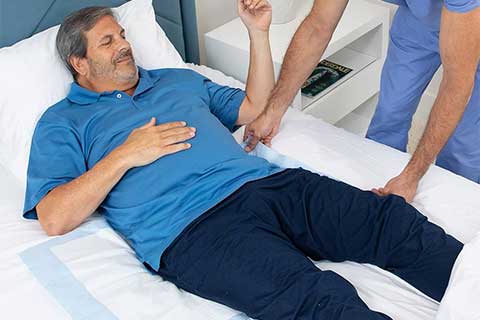
Position pads under the hips and torso.
2. Frequent Changes
Replace immediately after use to maintain hygiene.
3. Skin Care Routine
Clean and dry the skin thoroughly after leaks.
4. Layering Strategy
Layering improves efficiency in elderly bedding protection at home, especially overnight.
Cost of Elderly Bedding Protection in the UK
Managing elderly bedding protection at home can be cost-effective with the right approach.
Typical costs include:
- Disposable pads: £15–£40 per pack
- Reusable pads: £10–£25 each
- Mattress protectors: £20–£60
Bulk purchasing through elderly incontinence products and bedding protection solutions helps reduce long-term expenses.
Hygiene and Infection Control
Maintaining hygiene is a critical part of elderly bedding protection at home.
According to NICE guidelines on incontinence management, proper use of absorbent products significantly reduces infection risks.
Additionally, Age UK advice on caring for elderly at home highlights the importance of clean, dry bedding in preserving dignity.
Environmental Considerations
Balancing sustainability with effective elderly bedding protection at home is important.
- Use reusable pads during the day
- Reserve disposable pads for heavy use
- Follow UK waste disposal guidelines for hygiene products for safe disposal
Common Mistakes to Avoid
Avoid these errors when setting up elderly bedding protection at home:
- Using low-absorbency pads overnight
- Skipping mattress protectors
- Delaying pad changes
- Ignoring skin care
Considerations for UK Homeowners
Climate Factors
The UK’s damp climate makes elderly bedding protection at home even more important to prevent odours and mould.
Care Standards
UK guidelines emphasize hygiene and dignity in elderly care.
Product Availability
Reliable suppliers ensure consistent access to essential products. For tailored advice, consider contact for elderly bedding protection solutions.
Step-by-Step Bedding Setup
- Install a waterproof mattress protector
- Add a fitted sheet
- Place a high-absorbency pad
- Keep spare pads nearby
- Maintain a hygiene routine
This setup ensures efficient elderly bedding protection at home.
FAQ Section
1. What is the best elderly bedding protection at home?
The best elderly bedding protection at home combines mattress protectors with absorbent bed pads. Disposable options offer convenience, while reusable pads provide cost savings.
2. How often should bed pads be changed?
In any elderly bedding protection at home setup, pads should be changed immediately after use to maintain hygiene and prevent skin issues.
3. Are reusable pads effective?
Yes, reusable pads are effective for home care bedding protection for seniors, though many prefer combining them with disposable options.
4. What size bed pad is ideal?
Standard sizes like 60x90cm are suitable for most incontinence bed protection for elderly UK needs.
5. Can bedding protection prevent infections?
Proper elderly bedding protection at home reduces moisture and helps prevent infections and skin irritation.
6. Where can I buy quality bed pads?
You can explore elderly incontinence products and bedding protection solutions for reliable options.
7. How do I reduce odours?
Use odour-lock pads and maintain regular cleaning routines as part of your elderly bedding protection at home system.
8. Is layering effective?
Yes, layering is one of the most efficient strategies in elderly bedding protection at home, especially for overnight care.
Conclusion
Creating an effective elderly bedding protection at home system is essential for ensuring comfort, hygiene, and dignity. By combining high-quality bed pads, waterproof protectors, and proper care routines, you can significantly improve daily life for both caregivers and elderly individuals.
Soft CTA
If you’re looking to upgrade your elderly bedding protection at home, explore high-absorbency disposable bed pads for elderly at home or browse elderly incontinence products and bedding protection solutions. For personalized guidance, reach out through contact for elderly bedding protection solutions.